


26 Feb Philosophy in Art as a Learning Tool – Visual Thinking Strategies
Posted at 18:23h
in Leidiniai
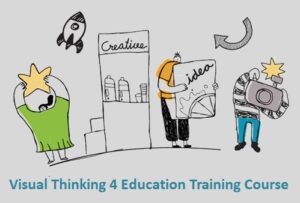
Online trainig course „Philosophy in Art as a Learning Tool – Visual Thinking Strategies“ (40 hours)
Authors: La Chiave di Sofia (Italija), Šiuolaikinių didaktikų centras (Lietuva), Health Growth (Bulgarija), Arte M Associacao Cultural e Artistica na Madeira (Portugalija)
Year: 2026
Kursas skirtas menų, filosofijos ir komunikacijos mokytojams, lektoriams, kurie nori įgyti vizualinio mąstymo gebėjimus, kad galėtų patobulinti savo mokymo metodikas, taip pat menų, filosofijos ir komunikacijos studentams, kurie siekia įgyti novatoriškų įgūdžių.
Training course objectives:
- Understand visual thinking as a cognitive and communicative process, exploring its historical roots and contemporary relevance.
- Develop the ability to read, interpret, and use art as a tool to enhance understanding of visual thought.
- Learn practical methods and strategies to apply visual thinking in educational, professional, and training contexts.
- Promote the use of visual thinking for active learning, problem solving, creativity, and collaboration.
- Experiment with visual and artistic tools through guided simulations and online activities.
- Foster the development of transversal (soft) skills required in the modern labor market, especially those related to communication and cooperation.
Learning modules:
- Philosophy in everyday life and the importance of its use in the arts: Observing, asking questions, interacting, and discovering.
- Art as an optimal tool for understanding visual thinking: From history to the present.
- Visual thinking: how it works, why it matters, how to use it: Methods and strategies.
- How to use visual thinking for learning and skills development: Focus on problem-solving, critical thinking, and teamwork skills required by the job market.
The course developed under the Erasmus+ project “Visual Thinking 4 Education” (2024–2026).