
We organize conferences, discussions, round tables, campaigns, and other events to share best practices on current educational issues
30 years of the Lithuanian Education Concept
November 25, 2022
The event was held to commemorate the 30th anniversary of the Lithuanian Education Concept. The attendees were welcomed by organizators – Dr. Eglė Pranskūnienė, head of the Centre for School Improvement, and Dr. Daiva Penkauskienė, head of the Modern Didactics Center. Together, they read a speech entitled “The Beginning of Education Reform. People and Ideas”. During the event, the history of the preparation of this document, the people who created it, and its main ideas were recalled, and the significance of the Concept for the present and the future was discussed. A discussion entitled “Why is the Lithuanian education concept important?” was held.
The event was organized by the Modern Didactics centre and the Centre for School Improvement with partnership of Lithuanian Educational Research Association, Lithuania-2050 National Progress Strategy Development Group.

Conference “Literacy in the Digital Age”
20 January 2017
The aim of the conference was to bring together internationally recognized professionals from European countries and the US (scientists, researchers, teachers) to discuss literacy today. It is an opportunity to exchange ideas, share best practices and the results of various literacy studies. Presentations were given by specialists from 15 countries: Jeroen Clemens (Netherlands), Dr. Laura Jankauskaitė Brochet (France, Lithuania), Prof. Dr. Renate Valtin (Germany), Dr. Ann-Sofie Selin (Finland), Prof. Dr. Greg Brooks (United Kingdom), Dr. Hanna Sauerborn (Germany), Dr. Juli-Anna Aerila (Finland), Silvija Tretjakova (Latvia), Natalya Kurikalova (Russia), Dr. Veronika Rot Gabrovec (Slovenia), Elizabeth Broad (United Kingdom), Ana Tymčiuk (Lithuania), Prof. Maria de Lourdes Dionísio (Portugal), Susan Møller (Denmark), Prof. Dr. Margit Böck (Austria), Dr. Ulla Britt Persson (Sweden), Dr. Brian Murphy (Ireland), Rasa Jančiauskaitė (Lithuania), Prof. Dr. William G. Brozo (USA).
Lithuanian teachers and librarians prepared stand presentations and presented the projects and ideas being developed at their institutions.
The conference was organized by the Reading and Cultural Literacy Association in cooperation with the Modern Didactics Centre, the Ministry of Education, Science and Sport of the Republic of Lithuania, the Martynas Mažvydas National Library, the Embassy of Finland, the Embassy of Ireland, the Committee for International Development in Europe, the European Federation of Literacy Associations, and the International Literacy Association.
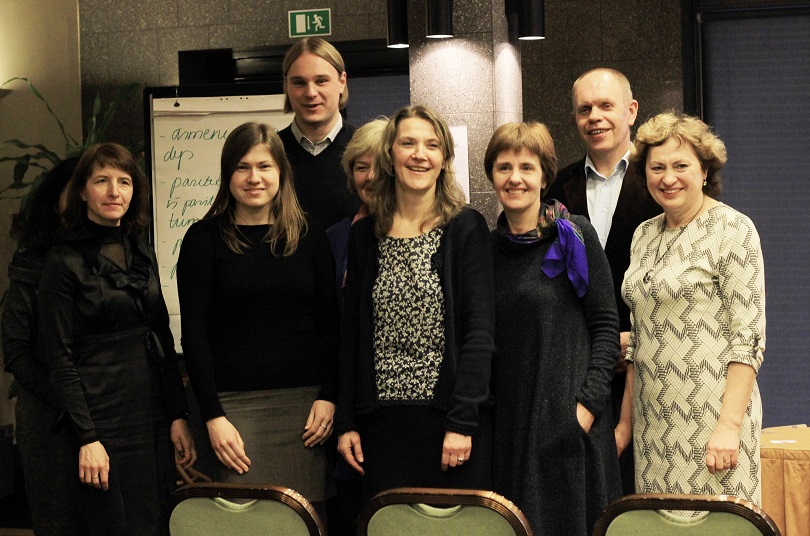
Final conference of the project “Developing Critical Thinking Skills in Non-Formal Education Activities (Critical Thinking – for Non-Formal Education)”
19 March 2015
In 2013–2015, the project “Developing Critical Thinking Skills in Non-Formal Education Activities (Critical Thinking for Non-Formal Education)” (SFMIS No. VP1-2.2-ŠMM-10-V-02-017) was implemented by seven partners: Modern Didactics centre (coordinator), Mažeikiai Žiburėlis Primary School, Molėtai Gymnasium, Šilutė First Gymnasium, Vilnius Simonas Daukantas Progymnasium, Vilnius Vyturys Primary School, and Lithuanian Scouting. This project aimed to develop the critical thinking skills of non-formal education specialists, students, young people, and parents by preparing modern methodological tools. During the conference, the links between non-formal education and critical thinking education were discussed, and the results of the project were presented in separate working groups: “Characteristics of critically thinking individuals and their education,” “Involvement of parents in critical thinking education processes: organization of active parent meetings,” “Critical thinking for improving organizational performance,” and “Critical thinking for socially responsible thinking.”
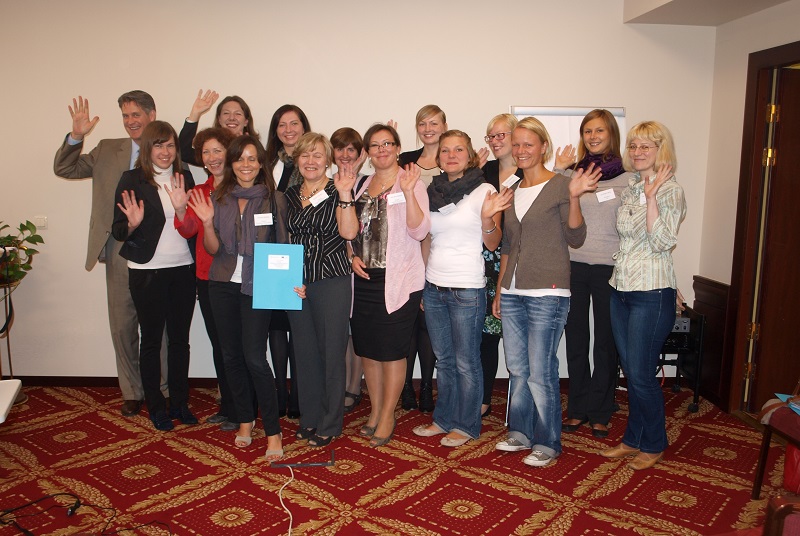
Final conference of the project “DATAUSE – Using Data for Improving School and Student Performance”
2012 m. rugpjūčio 29 d., Vilnius
The project “DATAUSE – Using Data for Improving School and Student Performance” was implemented in 2010–2012 together with partners from Poland, the Netherlands, the United Kingdom, and Germany. The project aimed to foster a professional school culture by involving schools in active research and planning activities based on documents and other data available in schools, with a view to improving the school community and student progress. The final conference was attended by representatives of the project partners and pilot project schools, as well as invited guests from the Ministry of Education and Science of the Republic of Lithuania, the National School Evaluation Agency, the Education Development Center, the Education Exchange Support Fund, Vilnius schools and universities (52 participants in total).
Project coordinators from Poland briefly presented the project, the results achieved, and the data usage course developed to assist with internal school evaluation. The project partners reviewed the implementation of the project in their countries, and teachers from Vilnius Gerosios Vilties Secondary School and Vilnius Antanas Vienuolis Primary School presented the work of their school teams.
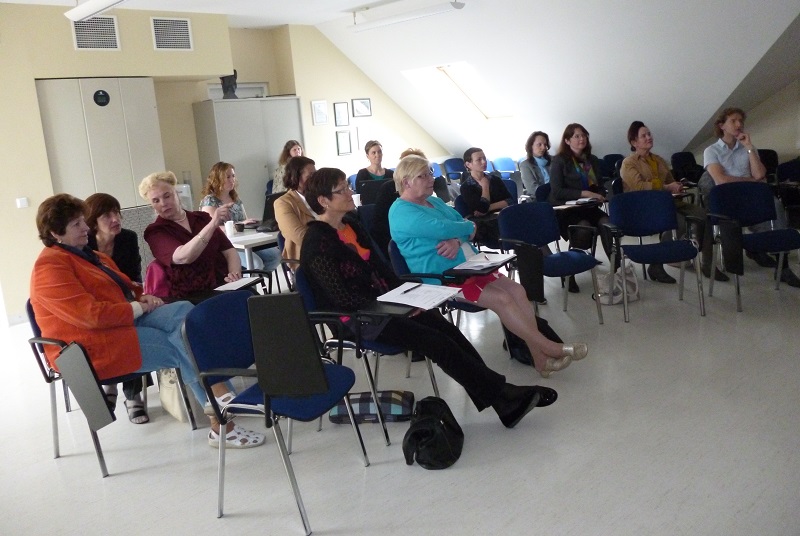
Final conference of the project “REACH – Promotion of Innovative Services and Better Access in Continuous Education”
7 June 2012
The project “REACH – Promotion of Innovative Services and Better Access in Continuous Education” (2010–2012), coordinated by the Modern Didactics Center and funded by the Nordplus Adult program, was aimed at adults who do not participate or participate little in lifelong learning. Adult education specialists from Lithuania, Finland, and Iceland worked together to identify ways to engage, motivate, and involve adults in the lifelong learning process. Various social advertising and marketing tools were used to encourage them to participate in learning activities. A final conference for this project was organized in Vilnius to discuss the results achieved and share experiences. It was attended by representatives of the project partner organizations and Lithuanian organizations that provide educational services and are looking for new ways to increase adult participation and motivation to learn. During the conference, the experience of implementing the project and the results achieved in Finland, Iceland, and Lithuania were presented, and the motivation of adults for lifelong learning was discussed.
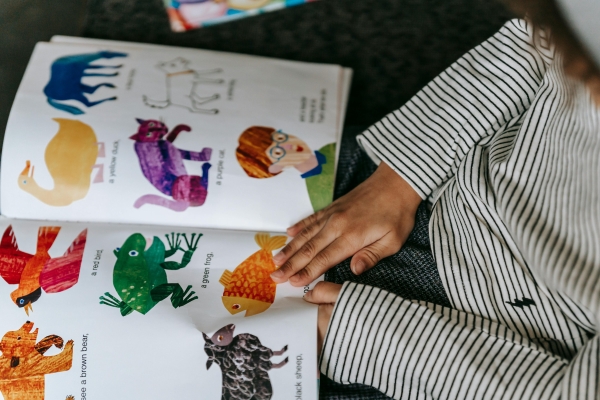
Discussion “Early Language Learning: Experiences, Lessons, and Challenges”
19 June 2009
The aim of the discussion was to share experiences of early language learning, discuss emerging challenges and opportunities, and bring together specialists from various fields, social groups and organisations to promote high-quality language learning in early school years. The discussion was attended by primary school teachers, native and foreign language teachers from general education schools, school principals, parents, university lecturers, education administrators, representatives of non-governmental organizations, and journalists.
The discussion was organized by the European Commission Representation in Lithuania and the Modern Didactics Centre.
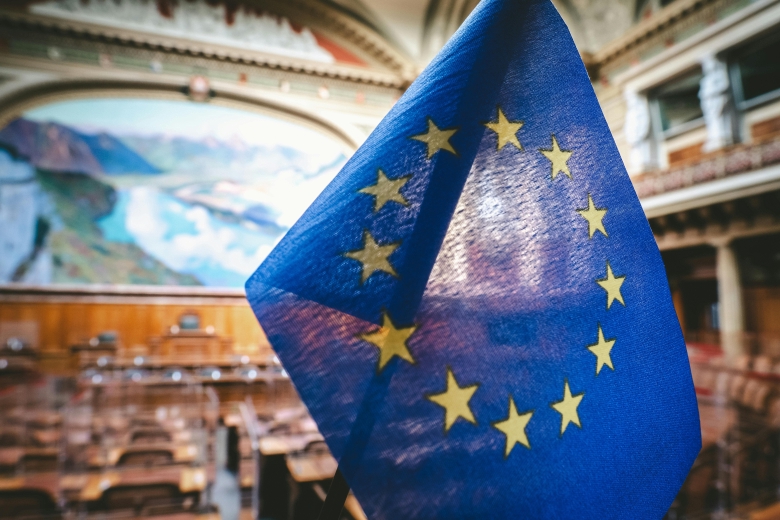
Discussion “European Union Language Policy: Language Skills as a Prerequisite for Business, Career, and a Harmonious Society”
November 26, 2008,
Discussion was organized during Adult Education Week, “Culture + Language = Dialogue”, by the Modern Didactics Centre, together with the European Commission Representation in Lithuania, at the European Information Center. The event featured discussions on the European Union’s multilingualism policy and its impact on Lithuania.

International conference “Native Language Policy: School, Society, State”
19–20 September, 2008
State language policy is part of the state’s general policy and is therefore inseparable from the processes promoted by European and global integration. Speakers from Lithuania, Latvia, Estonia, Germany, England, and the Netherlands analyzed how our native language and those of other countries are developing in the process of universal globalization, and what its relationship is with other languages existing in the same space. and the Netherlands analyzed how our native language and those of other countries are developing in the process of universal globalization, how it relates to other languages existing in the same space, and what Lithuanian and foreign scientists, specialists, politicians, teachers, and members of society think about its current situation. The first day of the conference was devoted to plenary presentations, while the second day was devoted to discussions in the sections “Language Policy and Society,” “School, Studies, and Language Education,” and “Aspects of Multilingualism Policy.”
The conference was supported by the Seimas of the Republic of Lithuania, the Ministry of Culture of the Republic of Lithuania, the Ministry of Education and Science of the Republic of Lithuania, the Commission for the Interpretation of Lithuanian Traditions and Heritage, and the European Commission Representation in Lithuania.
“Let’s Read Together” campaign to celebrate International Literature Day
7 September 2007
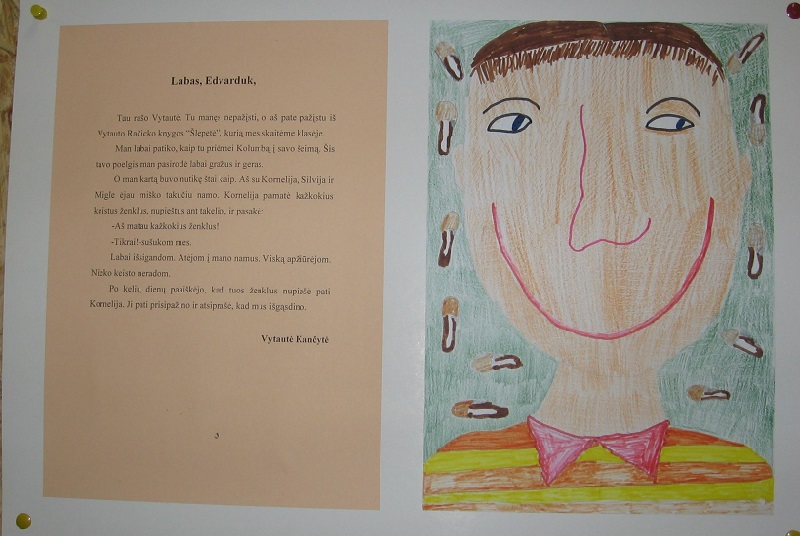
On September 7, 2007, the Modern Didactics Centre, together with the Alma littera publishing house, organized a campaign called “Let’s Read Together” in various educational institutions to mark International Literature Day.
The main idea behind the campaign was to highlight the importance of reading and information selection through seminars and discussions, to draw public attention to the importance of reading, and to invite famous Lithuanian people to engage in discussions with students.
Various events took place at Vilnius Vyturys Primary School, Vilnius P. Vileišis Primary School, Šilutė First Gymnasium, Molėtai Gymnasium, and Mažeikiai Žiburėlis Primary School: readings, meetings with employees of the Alma littera publishing house, discussions, exhibitions, book presentations and discussions, and book fairs.

Conference of the project “Youth for Transparency”
7 December 2006
The project “Youth for Transparency” was implemented in 2006 by the Civic Education Center (Poland) and the Modern Didactics Centre, with funding from the European Commission. The project aimed to foster civic engagement among young people and their belief in the implementation of transparent policies in state institutions. The project was implemented in 10 municipalities in Poland and 3 in Lithuania (Anykščiai, Elektrėnai, and Mažeikiai). In each municipality, a mixed group of local leaders was formed, consisting of teachers, senior high school students, and municipal officials. The project included seminars and practical workshops for students, teachers, and municipal employees, open lessons on anti-corruption topics, student visits to state institutions, and community meetings. Students, together with teachers and municipal employees, prepared anti-corruption and public transparency projects, various campaigns, and drawing and poster competitions.
During the final conference, representatives of the Lithuanian and Polish teams presented the results of the project, roundtable discussions were held, and anti-corruption expert Prof. R. A. Doig from the United Kingdom gave a lecture entitled “Is it in the Genes? Teaching Integrity.” A total of 74 participants attended the conference.
Republican scientific-practical conference “Reading as a social skill: text as part of the educational process”
4–5 January 2005
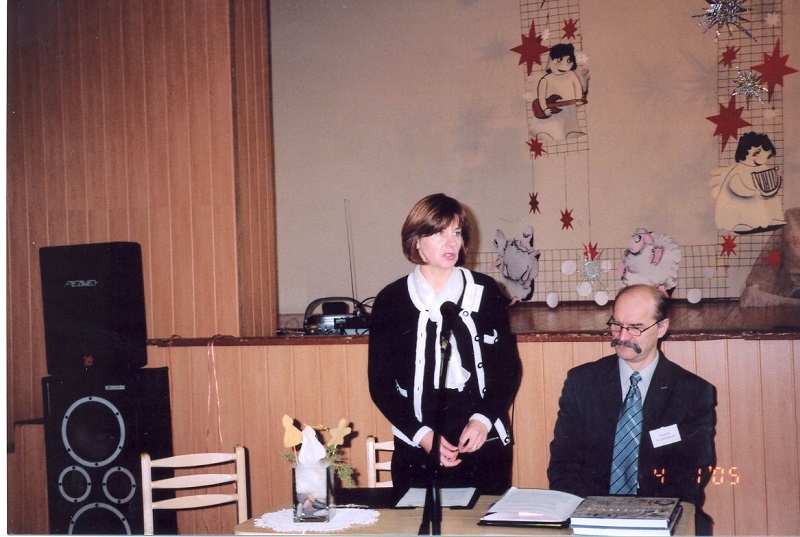
The objective of the conference was to discuss the role of reading in the context of the changing needs of today’s society and educational goals, to highlight the problems identified by researchers and practitioners in relation to students’ reading and text comprehension, and to explore possible solutions.
Two mini-seminars, “Reading Seminar” and “Features of Reading Factual Texts,” were organized during the conference, and work was carried out in sections on “Training Readers of Fiction Texts. Possibilities for Using ICT,” “Training Readers of Fiction Texts – Special Assistance,” and “Comprehension of factual and informational texts.” The conference was attended by 114 teachers from general education schools, librarians, social pedagogues, university lecturers, and employees of the Ministry of Education and Science and municipal education departments.
The conference was organized by the Modern Didactics Center in cooperation with the Ministry of Education and Science of the Republic of Lithuania, the Education Development Center, and Vilnius S. Daukantas Secondary School.

Meeting-discussion “Developing Communication Skills Between Different Cultures”
November 9, 2004
The discussion was organized in cooperation with the Lithuanian Association for Adult Education as part of the 2004 Adult Learning Week entitled “We Are Europeans. Let’s Learn Tolerance”.
The aim of the meeting-discussion was to share cultural learning experiences while working with various social groups: ethnic minority communities, immigrants, state and non-governmental organizations. During the event, projects implemented in Lithuania under the Socrates Support Fund’s Grundtvig program were presented, aimed at developing cultural communication skills in Lithuania’s ethnically diverse regions and working with immigrants.
International conference “Critical Thinking Education and Teacher Training in the 21st Century – Opportunities for Change”
21-23 February 2000
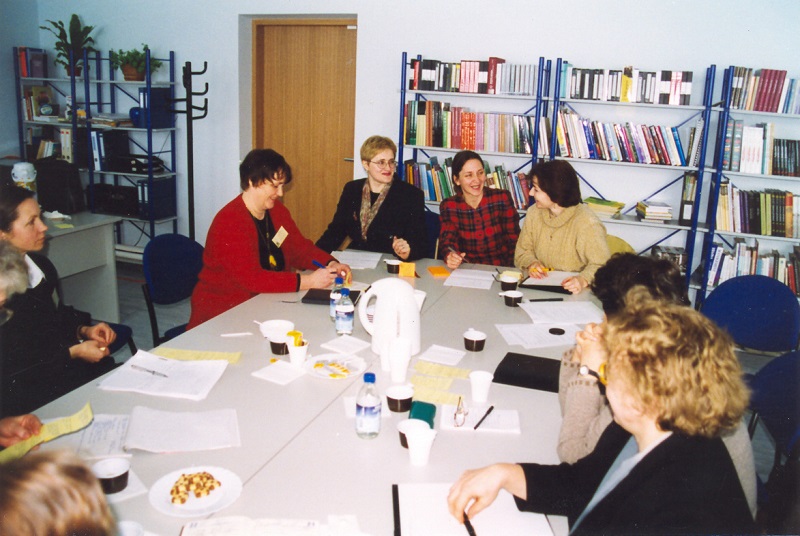
The conference analyzed how changes in society in the 21st century are influencing attitudes toward learning and the role of teachers, and what new requirements are being placed on higher education institutions and future teachers.
Conference participants from 10 countries (the US, the Czech Republic, Bulgaria, Romania, Russia, Ukraine, Georgia, Estonia, Latvia, and Lithuania) shared their experiences, visited schools, observed lessons taught by teachers participating in the Critical Thinking Project, held group discussions, prepared recommendations for teacher training, and discussed further cooperation.