
Project duration: 15 January 2008–15 January 2009
Project co-funders:
European Commission
Ministry of Education and Science of the Republic of Lithuania
Project koordinator: Centrum Edukacji Obywatelskiej (Poland)
Project partners:
Modern Didactic Centre
Special Investigation Service of the Republic of Lithuania
Transparency International Lithuania office
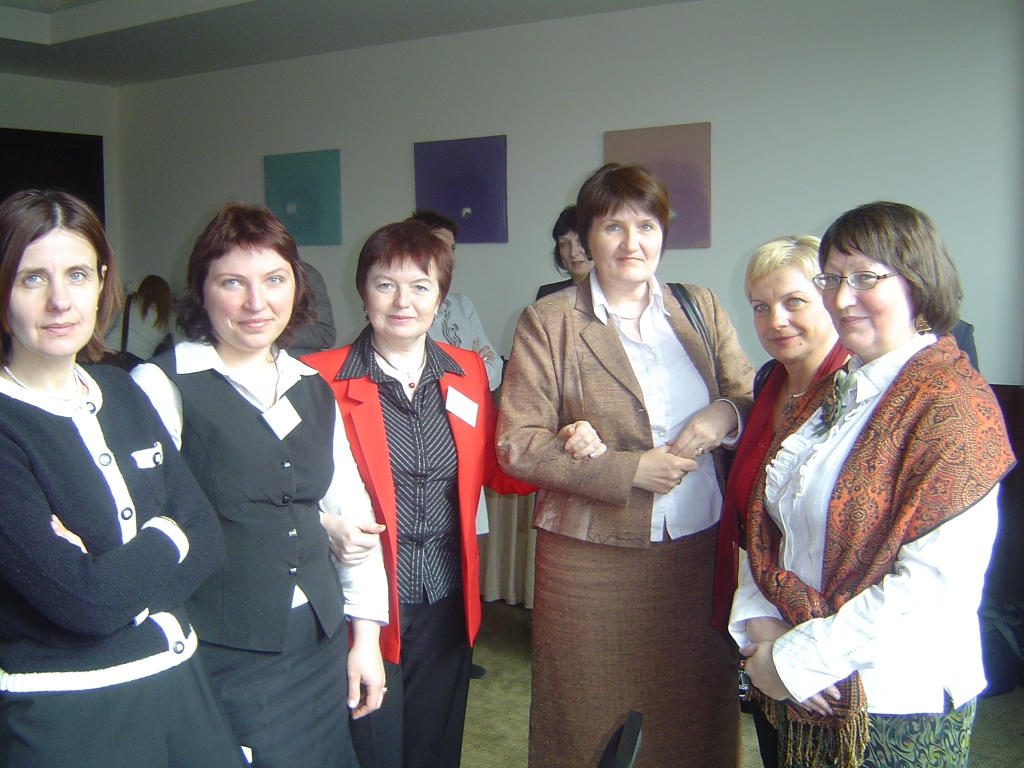
Project participants
PROJECT RELEVANCE
The sense of having no influence on the public issues.
In both, Poland and Lithuania the democracy has been developing – there are democratic institutions, structures, law ect. But the civic society still needs to be developed. The most important problem in both countries is connected with lack of engagement citizens into public life. They join various movement, NGOs, social initiatives not too often. Even on the local field they are not involved in many activities. Very often the citizens think that they cannot influence on the development of their communities. They do not believe that it is important for local authorities to gather the citizens together for the local wellness.
No platform of sharing experience and good practice between local communities.
In both, Poland and Lithuania, there are still not many occasion to share experience and good practice among local communities. The local societies do not know about each other – very often they work on good local policy in the same way, have similar difficulties and successes but have no chances to present the effects of local activities. The proposed Project is supposed to be such a chance to gather together active municipalities to present good solutions, samples of effective cooperation with citizens and to exchange the experience of the movement for transparency, accountability and anticorruption. It is also the attempt of setting a net of leader locals for promotion transparency in local and central level.
Lack of mutual trust and co-operation between the local authorities (public institutions) and other groups of local society (schools, local employees, NGOs, media).
Effective communication between local authorities and the local community requires finding adequate communication channels, using the right language, building confidence on the line authorities-people. A point often made against undertaking such efforts is that the residents are rarely motivated by public goals but rather follow their individual interests. Even if this is so, the fact does not release the local government from its duty to permanently consult its activities with interest groups existing within the local community.
Low client awareness and lack of general access to public information.
In theory, basic information about the work of local authorities is open and accessible to the local community of many towns and villages. This access, however, is usually difficult and those more persistent in reaching it may have problems with getting even the least of it. They are often handled impolitely and experience illegitimate resistance of the officials. There are also other difficulties of different character: the language and form of documents are hardly comprehensible to an average citizen. Statistics on the number of visitors to the Public Information Bulletin’s Web site show that this is still not the most efficient way to get through to the people. Therefore, the people must be given actual information, not just an opportunity to reach for it.
The sense of helplessness in the face of corruption and similar phenomena.
Many Polish and Lithuanian people believe that corruption is ubiquitous and doing anything about it makes little sense. Often it is suspected that many actions (of local government and its offices) are undertaken not for local public interest but for other, usually private interests and goals. It is indispensable to convince the people that corruption is not a disease troubling the office and local authorities as such but rather single individuals, and that the authorities do really want their administration to respect the principles of ethics. It is also necessary to increase the awareness of the citizens (especially young – students) regarding access to public information, introducing procedures and regulations eliminating bias and conflict of interest within the local government, and also to promote ethical attitudes in Polish public life. In this way, the young people will be prepared for an efficient and true participation in the public life of their communities. The more aware individuals will make better allies in eliminating any symptoms of corruption. They will also be more critical about slander and attempts to discredit public officials.
The proposed Project was supposed to be such a chance to gather together active municipalities to present good solutions, samples of effective cooperation with citizens and to exchange the experience of the movement for transparency, accountability and anticorruption. It is also the attempt of setting a net of leader locals for promotion transparency in local and central level. The implementation of local educational programmes will also increase the awareness of the citizens (especially students) regarding access to public information, introducing procedures and regulations eliminating bias and conflict of interest within the local government, and also to promote ethical attitudes in Polish public life. The proposed Project was also supposed to strengthen the cooperation and coalition among Polish and Lithuanian NGO.
The project-proposed model for promoting the active citizenship on the transparency and accountability field especially and the way of local cooperation through education will be suitable for promotion in other counties and municipalities in Poland and Lithuania. The Project promotes different local groups as partner of local authorities in movement for transparency. This model of partnership helps to work out such methods and tools which in future can effects to the authorities-local society relations. It also helps to break the mutual trustless within. In Program different groups (schools, media, NGOs and local governments) are equal partners in education and disseminating good practices.
Centre for Citizenship Education and the Modern Didactics Centre have working in the field of civic education for a years and staying in the partnership since 2006 project “Youth for Transparency”. Both organizations have developed education materials intended directly for school students and teachers to address corruption and its control.
PROJECT AIM
To raise awareness of local community (local authorities, schools, youth, NGO, media ect.) of the necessity to play an active role in support of civil society.
PROJECT OBJECTIVES
- To support local leaders for developing and multiplying of local programmes for anticorruption and transparency education in the region.
- To develop and implement local programmes for anticorruption and transparency education in leading municipalities.
- To promote local programmes for anticorruption and transparency education in the region by local teams through cooperation with media, NGOs, other communities.
- To built the international experience exchange and means of multiplying the programmes for anticorruption and transparency education on the local level.
PROJECT TARGER GROUPS AND BENEFICIARIES
- Municipalities invited to cooperation and representatives of different groups (schools, local government, public institutions, local media and NGOs) building the local teams – 10 municipalities in Poland and 7 municipalities in Lithuania.
- Local leaders – 17 teams.
- Youth involved in school activities and local projects providing.
- School teachers involved in project implementation.
- Local media, NGOs, public institutions involved in cooperation with leader teams.
- All the residents of municipalities as addressees of activities carried out by local teams.
- Other local communities addressed to promoting action.
PROJECT ACTIVITIES IN LITHUANIA
The project was performed as the continuation of 2006 project Youth for Transparency where three municipalities have participated – Mazeikiai District Municipality, Elektrenai Municipality and Anyksciai District Municipality. Participants from these municipalities acted as trainers and experts in Open Local Government project.
7 new municipalities were involved into this project: Alytus City Municipality Kaunas District Municipality Kelme District Municipality Klaipeda City Municipality Pasvalys District Municipality Silute District Municipality Telsiai District Municipality. In total there were 24 schools, 122 students, 56 teachers, 18 servants of municipalities directly participated in the project.
1. Preparing trainings for experts, trainers and local leaders
In March 2008 group of trainers, experts and local leaders were acquainted with tasks, objectives, workplan of the project and their role in the project. Participants discussed themes, methods of trainings and nature of expertise and consultations.
2. Workshops for local teams
When local teams were organized, they get workshops on anti-corruption education, integration of anti-corruption education into subject teaching and out of school activities, strategic planning and setting up social partnership in the local community. Participants acquired background knowledge and practical skills for substantive action in their municipality.
3. Meetings of youth leaders with elected local government representatives and parliament members
During the meetings students have a possibility for direct dialog with government representatives, for rising and analysing problems actual to youth, for better understanding of activities and responsibility of governmental bodies. As there were elections to the Seimas in Lithuania in autumn 2008, students analysed programmes of candidates and then discussed them during meetings.
4. Educational materials
Educational publication “Teaching for Transparency” was prepared to present strategies and practical examples of social cooperation and transparency education. This publication will serve as methodical guidelines for school or local community, youth organizations that are going to work in the field of transparency education and to initiate common civic activities with local authorities, state institutions, NGOs or other local institutions.
5. Preparing and implementation the local programmes of education by each local team
Local programmes of anti-corruption and transparency education were based on the project implementation experience. Programmes shortly describe civic education situation in the municipality, define objectives and goals of education for transparency, constitution of initiative group, means of corruption prevention, action plan, community involvement.
6. Local meetings with headmasters for promoting local programmes of education
During the meetings project was presented to school administration as well as local programmes for anti-corruption and transparency education were discussed. School teachers usually are leaders of initiative groups for transparency education in the region, so involvement of school administration and school community will ensure the effectiveness of the activities.
7. Educational activities with schools, public institutions
Wide range of educational activities ensured active participation of students as they find them highly interesting and attractive.
Open lessons demonstrated the possibilities of civic education integration into other teacher subjects. Students were acquainted with theory and practise of transparency and the ways in which it is possible to implement social control mechanisms in public institutions. During study visits students have acquainted with work of public institutions servants directly, discussed with them actual questions. Students collected information and materials necessary for their projects during these visits.
Development of projects was the most interesting and useful activity for students. Students passed all stages of projects implementation – from the idea generation to the development of dissemination strategy, they were involved into analysing of transparency and accessibility of public institution activities and solving important issues of public life (students developed 24 projects choosing mainly themes of social activities of local municipalities, youth problems, youth activities, and ecology). This activity strengthened communication between schools and local authorities and engaged in common building and realizing the local policy.
8. Cooperation with all schools at the municipality
Municipality teams visited each other to share their experience, successes and fails, to discuss common problems, to look for further cooperation. There were organized 3 study visits. All schools at municipalities were indirectly involved in the project as the part of all local community.
9. Study visit in Poland
In October 2008 representatives of Lithuanian teams have visited Poland to participate in the project conference and to get acquainted with activities of some NGO, working in the field of civil education and transparency.
10. Local presentation to spread out the results
There were organised 7 local project presentations in each participating municipality and one regional conference for all participants in Vilnius on 18 December 2008. During local conferences project achievements and local programmes of anticorruption and for transparency education were presented to local community, further means for community cooperation were discussed.
PROJECT INTELLECTUAL OUTPUTS
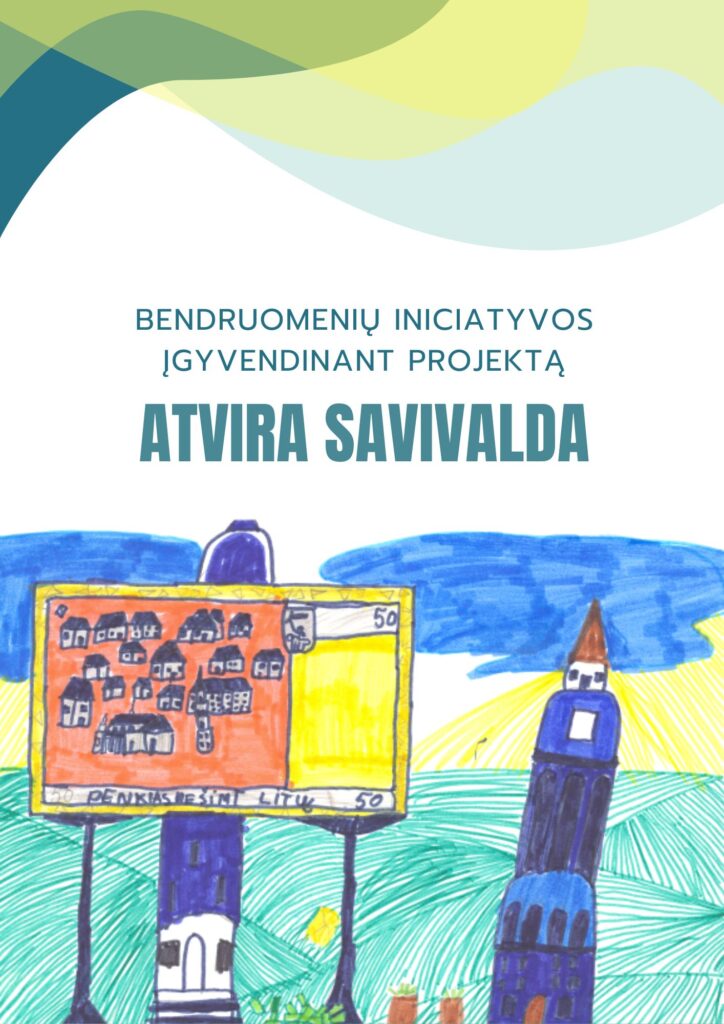
Community Initiatives in Implementing the “Open Local Government” Project (2008)
This publication summarizes the project’s experience in strengthening local community involvement in municipal decision-making processes and promoting transparency. It analyzes specific community initiatives and examples of cooperation with local authorities in Alytus, Kaunas, Kelmė, Klaipėda, Pasvalys, Šilutė, and Telšiai. The publication is visually enriched by artistic photographs created by students and their sincere thoughts on openness and responsibility. It serves as a practical guide, demonstrating how the experiences of different regions can contribute to building a more transparent Lithuania.
Download LT
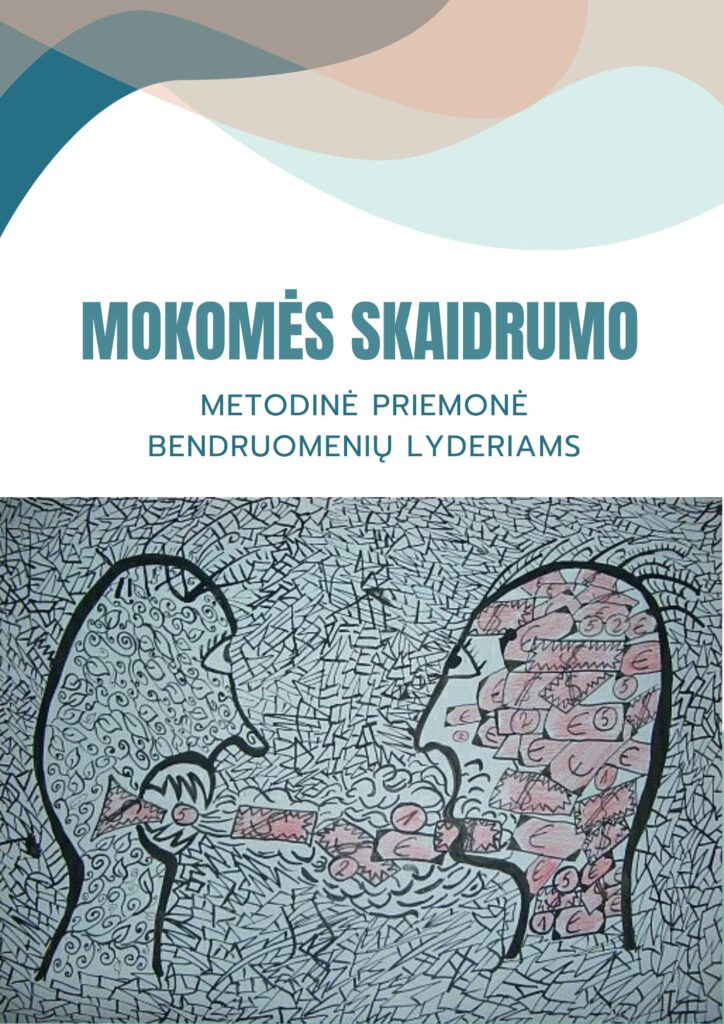
Learning Transparency: A Methodological Tool for Community Leaders (2008)
This methodological publication is intended for school communities aiming to integrate transparency and anti-corruption education into the daily teaching process. The publication provides systematized theoretical material on the principles of local government operations, supplemented by practical tasks and discussion topics that encourage students to critically evaluate phenomena in public life. It aims not only to provide knowledge about the functions of local government but also to foster civic activism and zero tolerance for corruption among young people.
Special attention is given to the integration of anti-corruption education into the curriculum, emphasizing that these topics should be intertwined with History, Ethics, Basics of Citizenship, and Literature lessons, thereby forming a consistent moral foundation for the student. Didactic advice is provided to encourage teachers to move from theoretical lecturing to active learning methods. The publication helps create an open dialogue between the school, the community, and local government institutions, serving as a resource for educators seeking engaging ways to shape students’ values through civic education lessons or extracurricular activities.
Download LT
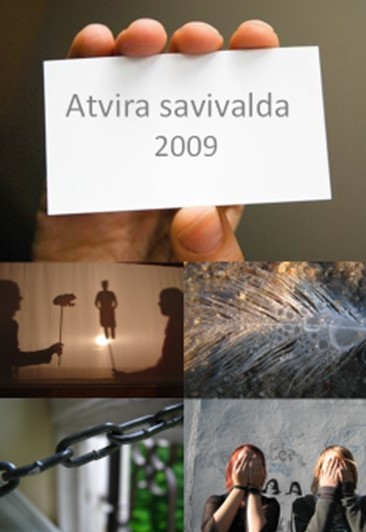
Open Local Government. 2009 Calendar
In this publication, theoretical insights into civic activism and the creative self-expression of students help shape a more open and accountable culture of local self-governance. The calendar serves as a brief memorandum with recommendations on how to strengthen the link between authorities and citizens, promote transparency, civic engagement, and community involvement in local governance processes. The publication is illustrated with artistic photographs by students of the Klaipėda Vydūnas Secondary School and is supplemented by their thoughts on honesty.
Download LT
PROJECT RESULTS
- Through various activities project invited all local groups for cooperation to show them how many things depends on their activity. Local communities were encouraged to work together for transparency and accountability.
- The poject gathered together active municipalities to present good solutions, samples of effective cooperation with citizens and to exchange the experience of the movement for transparency, accountability and anticorruption.
- The implementation of local educational programmes will increase the awareness of the citizens (especially students) regarding access to public information, introducing procedures and regulations eliminating bias and conflict of interest within the local government, and also to promote ethical attitudes in public life.
- During the project implementation leaders amassed new experience, gained new skills such as, the skill of co-operation, organization, managing and monitoring projects. Improving the awareness of how public institutions are functioning and developing the skill of using public controls mechanisms will prepare the citizens for their full citizenship and it helps to raise their awareness of the necessity of engaging into public life.
- Getting the local leader involved in working and promoting for public life transparency will help overcome the overwhelming helplessness and indifferent attitudes which indirectly result from a profound moral crisis in Poland and Lithuania. The local societies will be aware that they can improve this situation by direct commitment to public activity.
- The cooperation between local government authorities, teachers from various counties and municipalities, local media and NGOs will be carried on for the benefit of the local community.
- Leaders trained in the project will be responsible for the continuation of all the project activities and tasks. They also will promote it in the region spreading out its results. Local government structures will be interested in introducing into their own practice all the methods developed under the project to other schools and institutions.
- The results of the proposed project will be suitable for using in other counties and municipalities in Poland and Lithuania.
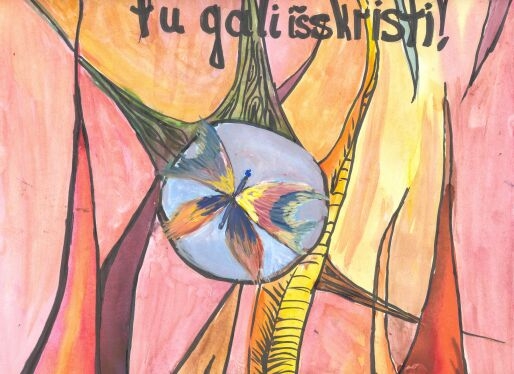
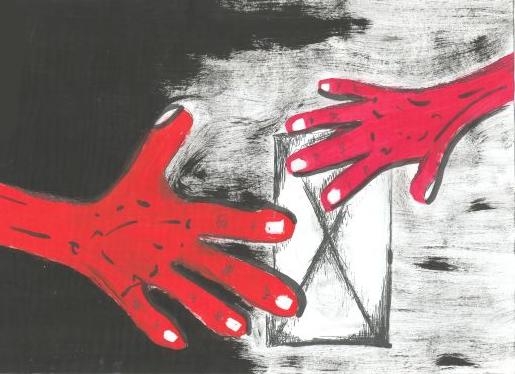
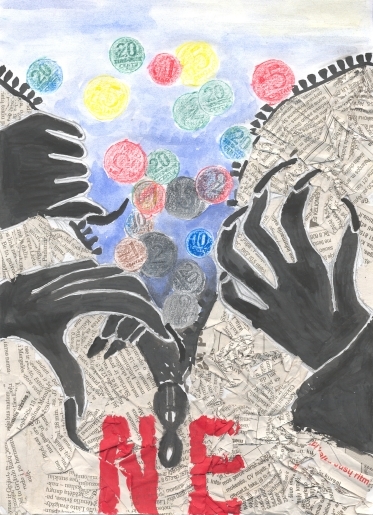
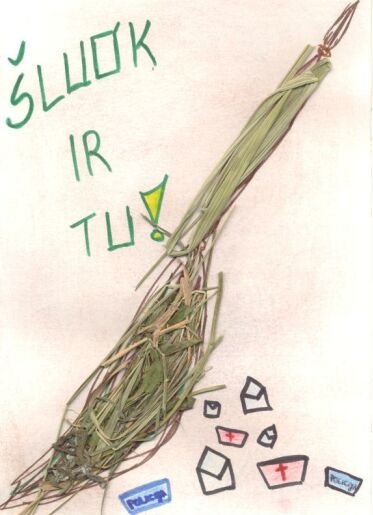
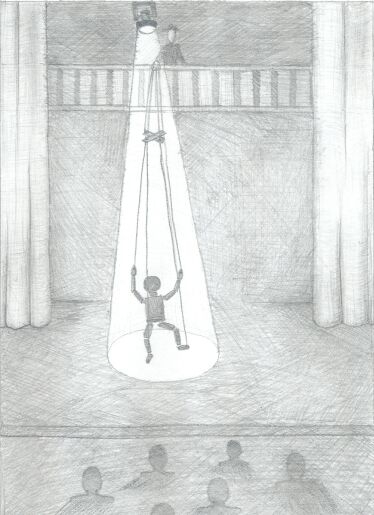
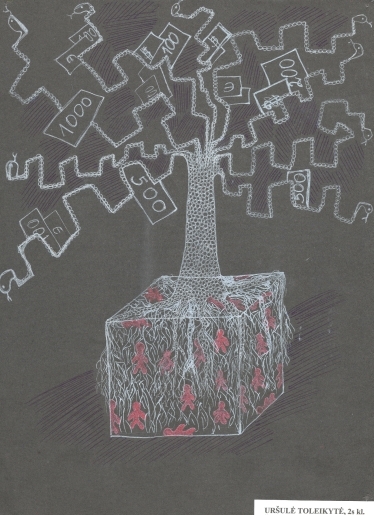
Paintings of Lithuanian tudents

Funded by the European Union. Views and opinions expressed are however those of the author(s) only and do not necessarily reflect those of the European Union or the National Agency. Neither the European Union nor National Agency can be held responsible for them.