
Project duration: 2017
Project co-funders:
Ministry of Culture of the Republic of Lithuania
Ministry of Education and Science of the Republic of Lithuania
Project coordinator: Modern Didactics Centre (Lietuva)
Project partners:
Publishing house “Alma littera”
Institute of Social Communication of Vilniaus Pedagogical University
Theatre laboratory “Atviras ratas”
Lithuanian Parents Forum
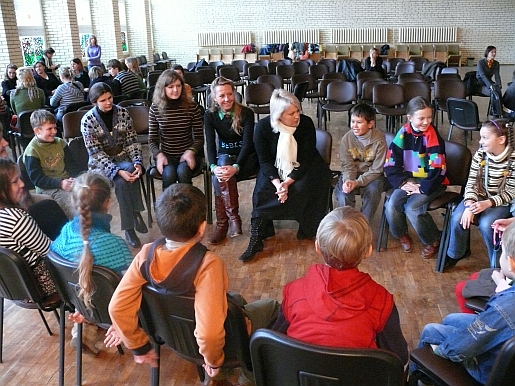
Discussions from the project final event
PROJECT RELEVANCE
The development of reading skills is vital for implementing the concept of lifelong learning. To succeed in various subjects and continue learning in the future, young people must become conscious, independent readers while still in school. They need to be capable of locating, selecting, and critically evaluating diverse texts, as well as reflecting on the information and ideas gained through reading. Effective reading occurs when information and ideas are transformed into new knowledge and understanding—when one is able to make decisions or act differently based on the reading experience.
The development of literacy skills, in the broadest sense, is an essential prerequisite for building a democratic civil society. By analyzing, interpreting, and evaluating various types of texts, students develop critical thinking skills. They recognize and examine the explicit and implicit intentions of different sources, identify positive values, assess the validity of expressed viewpoints, and learn to engage in reasoned debate. Discussions about texts foster a culture of dialogue: students learn to listen to others, respect differing opinions, acknowledge a diversity of perspectives, and defend their own views without compromising their own or others’ dignity. This process nurtures responsibility for the truth, clarity, and precision of one’s thoughts and statements, while creating reader communities whose culture of coexistence can serve as a model for healthy relationships within a democratic society.
Recognizing the importance of reading skills for the individual, for society, and even for economic prosperity, many countries research reading motivation and achievement and invest in reading promotion programs. A 2005 sociological study in Lithuania, “The Scope, Direction, and Needs of Reading,” indicated that Lithuanian residents are not sufficiently motivated readers. Consequently, the Government approved a Reading Promotion Program for 2006–2011. The goal of this program is to increase the number of frequent readers across all age groups, thereby fostering creative, self-improving, critically thinking, and socially responsible individuals.
PROJECT AIM
To develop critical thinking, intelligent, educated citizens that evaluate reading as personal and social skill.
PROJECT OBJECTIVES
- To stress the importance of reading and information selection during seminars, discussions, meetings.
- To introduce to project participants with methods, strategies and opportunities of meaningful reading and critical thinking.
- To organize events, activities, meetings with writers, publishers in various educational and social institutions and thus promote the reading in various social groups.
- To prepare and publish the printed and video material for reading promotion strategies and to distribute it during workshops.
PROJEKTO DALYVIAI
The project was intended for students of general education schools, their parents, teachers, schools and communities, high school students.
6 Lithuanian schools were involved into the project:
Vilnius “Vyturys” primary school
Vilnius S. Daukantas secondary school
Vilnius P. Vileišis basic school
Contemporary School Centre
Molėtai gymnasium
Mažeikiai “Žiburėlis” primary school
In total there were over 300 people of all ages and social classes during the project participated in various campaigns, seminars and events
PROJECT ACTIVITIES
Action “Reading together” for International Literacy Day, 7 September 2007
The main action took place in Vilnius Vyturys “primary school, Vilnius S. Daukantas secondary school, Vilnius P. Vileišis basic school, Šilutė first gymnasium, Mazeikiai “Žiburėlis” primary school, Molėtai gymnasium. Throughout the day in schools there were held book readings, discussions and books presentations, various forums, meetings with writers and representatives of publishing house “Alma littera. Students prepared and presented their writings, literary almanacs, books advertisements.
Reading seminars, September–October 2007
During the project period there were organized seminars “Reading workshop”, prepared in accordance with the international project “Reading and Writing for Critical Thinking” guidelines. Seminars, presenting a range of reading promotion techniques were intended for pupils, students and teachers of different subjects who shared the acquired knowledge with others, through reading promotion events in various educational and social institutions. There were organized 7 seminars that were attended by 30 students of secondary schools, 86 students of higher schools, 64 teachers, 15 lecturers. In total – 195 participants.
Social actions, September–November 2007
The project actively engaged secondary and higher schools students not only to discovered reading again, but also to share their experience with others. On 7 September in Molėtai gymnasium was held the The Book Fair during which collected books were donated to Molėtai child care home. Students of Vilnius Pedagogical University Social Communication Institute visited pupils in kindergartens, child care homes, Vilnius Santariskės children’s hospital oncology section, gave the books, red fairytales, talked, discussed not only about reading but also about other things that are important for children. Students of Vilnius Pedagogical University Social Communication Institute also organized a student’s reading promotion campaign in Vilnius, P. Vileišis secondary school.
The final event of the project, 27 November 2007
The event brought together the most active project participants sincerely and openly reflect on what reading means for us, our family members, friends and society in general. Over 70 people have participated in the event including representatives from all participating schools, project partners and sponsors.
There were organised discussion “Reading: for and against” and these actual questions were raised:
Is the reading changing people? If so, how?
Is reading appreciated among school friends, family?
What is a good reader?
Do teachers (lecturers) learn to read?
Some of us likes to read, others – less, and others – do not like. Why is that?
What books like reading teachers, students, pupils?
Do they discuss their readings during lessons, with friends, family members?
What students could offer (if they would be presidents, ministers, directors of schools) for reading promotion?
It was agreed that:
Reading is fun, but very time intensive pleasure;
Students would like to read more during the lessons and talk about it
Reading is important for individual self-development
It is fun to talk about reading with others.
PROJECT INTELLECTUAL OUTPUTS
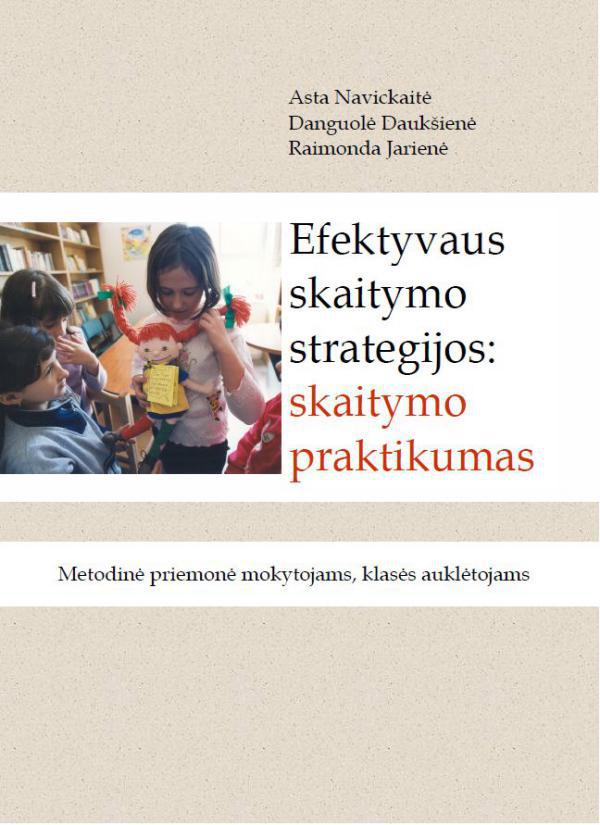
Effective Reading Strategies: Reading Workshop (2007)
This methodological resource, intended for teachers and classroom tutors, introduces a reading workshop strategy designed to foster conscious and motivated readers. The publication provides a detailed description of the workshop structure – comprising mini-lessons, reading sessions, discussions, and creative responses to texts – while offering specific examples and methods, such as the use of double-entry journals or literary letters. It emphasizes the importance of dedicated reading time, student choice, and emotional engagement with the content as key factors for effective literacy development. The material aims to transform school reading from a mandatory task into a meaningful tool for developing critical thinking and personal experience.
Download LT
Reading Workshop (2007)
Filmed methodological material for teachers and parents aimed at promoting children’s mindful reading. As reading is a fundamental learning tool, students must be taught to read thoughtfully rather than merely recognizing text mechanically. The workshop emphasizes three essential elements: sufficient time for reading, the opportunity to choose literature independently (personal control), and the chance to respond creatively to the content. The video also demonstrates practical classroom moments where children read, discuss, and present their thoughts.
PROJECT RESULTS
- Various reading events, organised during the project contributed to the reading promotion in our community.
- During reading seminars, classes and workshops reading strategies and reading promotion methods were introduced for teachers, pupils and students.
- It is expected that the project participants will assess the importance of reading, will learn for meaningful reading, using the methods that help to control the reading, critical thinking, and will look for ways to promote the reading of various social groups.